Computational genomics & machine learning

Alexander
Turco.

Exploring the complexity hidden in our genomes.

PhD researcher at the University of Toronto, studying repetitive DNA, genome instability, and haplotype-resolved assemblies.

Alexander Turco

Medical Biophysics University of Toronto

A little background

Curious by nature.
Computational by approach.

I’m a PhD student in Medical Biophysics at the University of Toronto. Since my first year of undergrad, I’ve been fascinated by the parts of the genome that often get filtered out of genomics studies.

My research explores low-complexity regions, tandem repeats, non-B DNA motifs, and transposable elements — finding better ways to understand these overlooked regions and what they reveal about the blueprint of life.

Outside the lab, you’ll find me playing video games or soccer, snowboarding, solving Rubik’s cubes, and travelling. I built this site with React and Tailwind CSS to share what I’ve been working on. Feel free to connect!

My toolkit

From biology to code.

The languages and tools I use to turn biological questions into computational research.

  • Python
  • C++
  • R
  • Shell
  • LaTeX

Selected work

Projects & research

Projects spanning computational biology, biomedical AI, and interpretable machine learning.

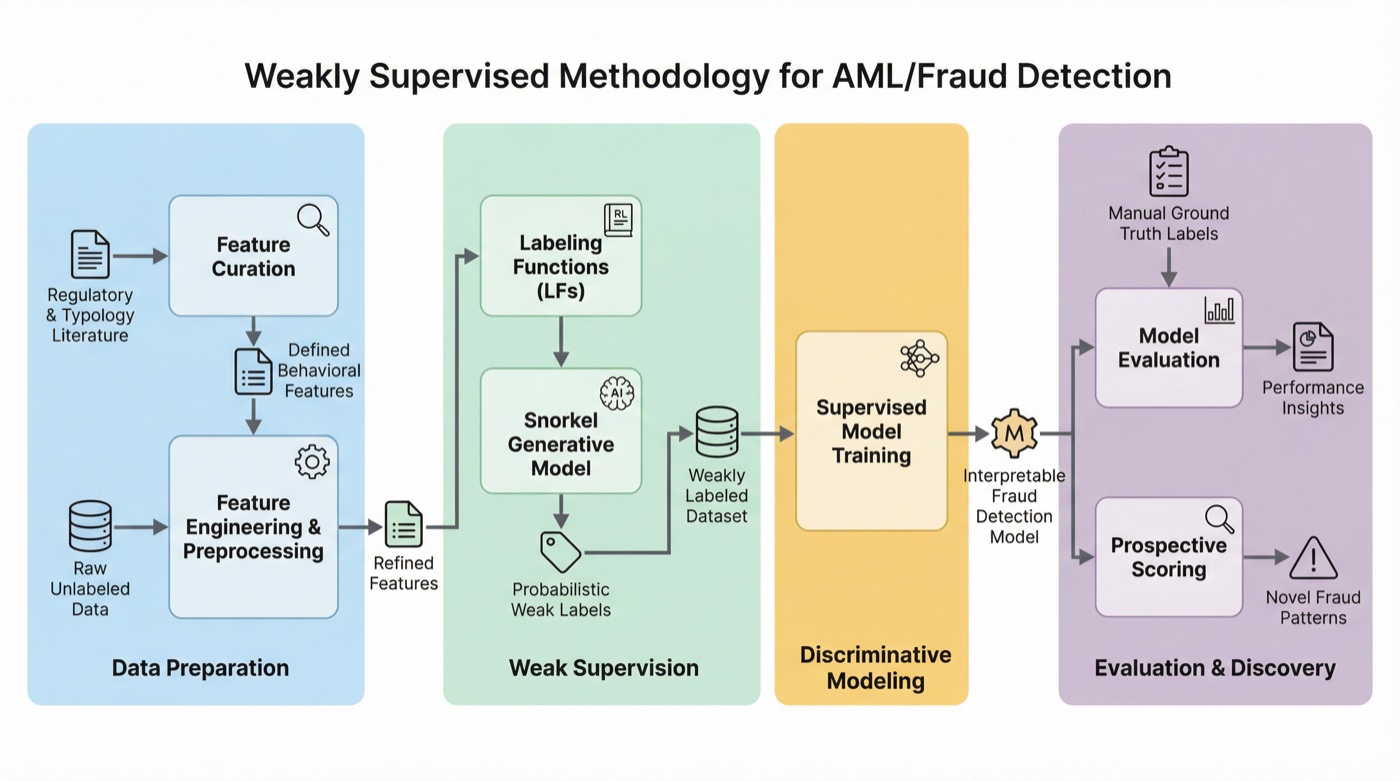
SignalWeave workflow from regulatory-informed features through weak supervision, model training, and evaluation
Machine learning · Hackathon

SignalWeave: Interpretable AML risk scoring

A weakly supervised, interpretable anti-money laundering risk scoring framework, built for a Scotiabank hackathon.

About this project

Developed for a Scotiabank anti-money laundering hackathon in February 2026, SignalWeave combines regulatory-informed feature engineering with Snorkel weak supervision to create probabilistic training labels from partially labeled or unlabeled data. Gradient-boosted models (XGBoost and CatBoost) produce customer risk scores, while SHAP explanations make the contributions of behavioral signals easier to interpret. The project includes a regulatory knowledge library, data preparation and feature selection notebooks, model training, and evaluation.
Explore on GitHub
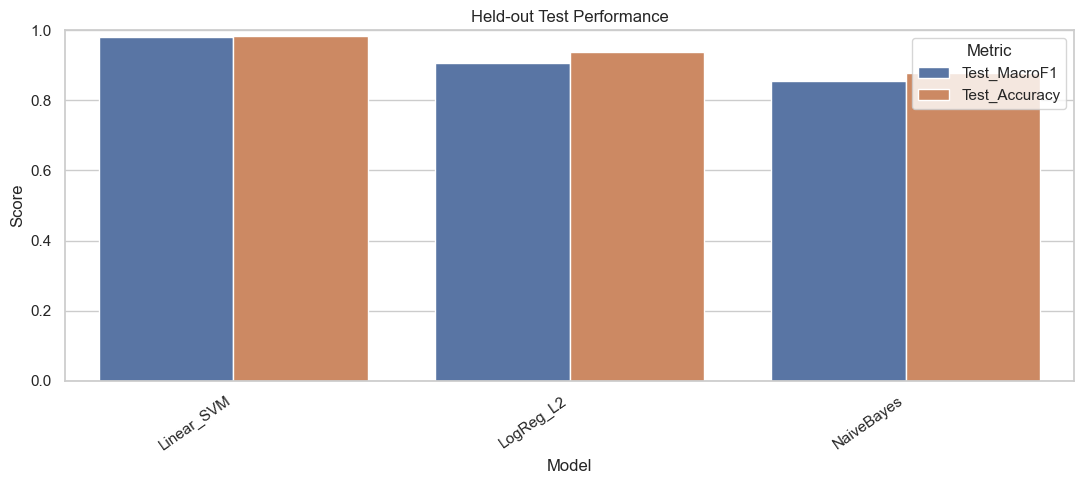
Held-out test macro F1 and accuracy for linear SVM, logistic regression, and naive Bayes cancer classifiers
Cancer genomics · Machine learning

ATAC-seq: Cancer type classification using TCGA

Classifying human cancer types from TCGA chromatin accessibility profiles, with interpretable models that highlight informative regulatory regions.

About this project

An end-to-end analysis of whether ATAC-seq chromatin accessibility profiles can distinguish human cancer types using publicly available TCGA data. The pipeline preprocesses accessibility peaks, aggregates samples at the patient level, and constructs patient-by-peak feature matrices for classification. Held-out evaluation compares simple machine learning models, while feature importance identifies regulatory regions contributing to cancer-type discrimination. The focus is on interpretable analysis and biological insight rather than maximizing predictive accuracy.

Explore on GitHub
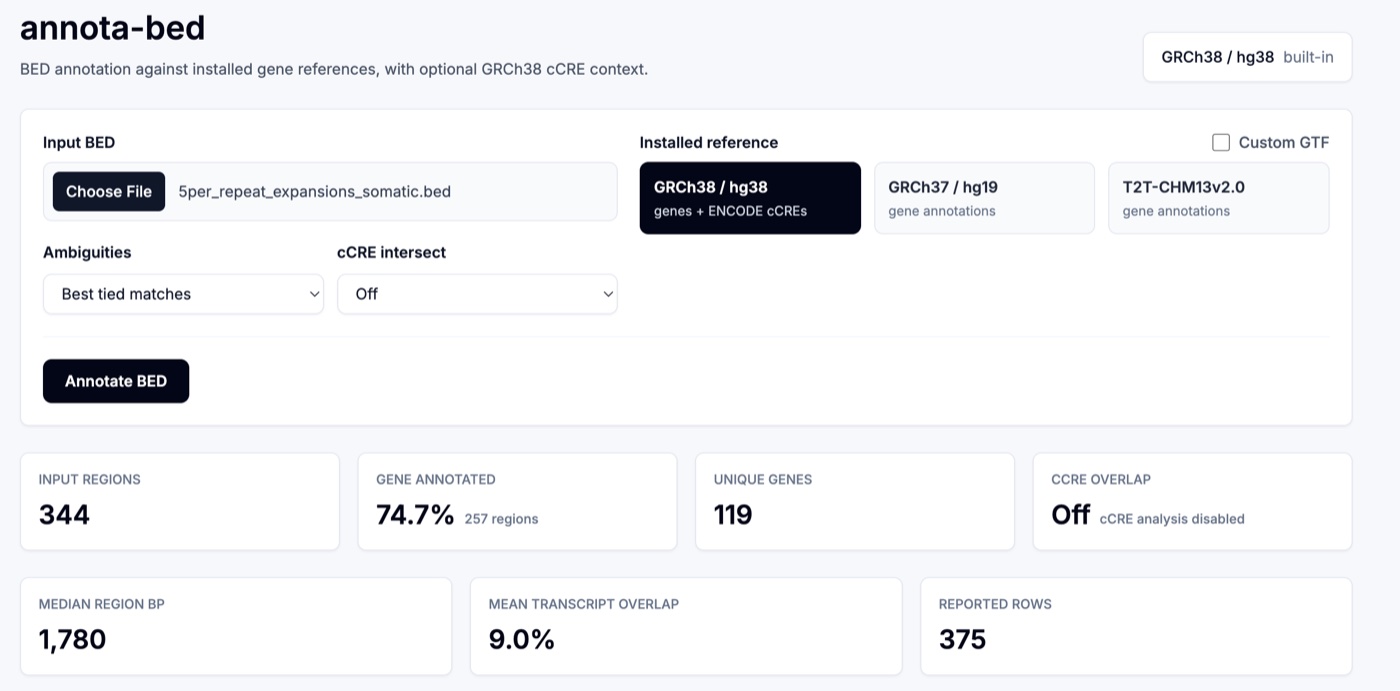
annota-bed interface with BED upload, three reference genome choices, annotation options, and summary results
Bioinformatics · Interactive tools

annota-bed: Genomic annotation made interactive

A friendly GUI for annotating BED files across hg19, hg38, and T2T-CHM13, with interactive plots and downloadable results.

About this project

annota-bed — a play on annotated — makes contextual genomic analysis easier through a Next.js interface and Flask backend. Upload a BED file, choose GRCh37/hg19, GRCh38/hg38, or T2T-CHM13v2.0, and explore gene- and transcript-level annotations. The tool supports custom indexed GTF references and optional ENCODE cCRE intersections for hg38. Interactive plots, a searchable results table, and CSV exports help turn genomic intervals into useful biological context. Inspired by vladsavelyev/bed_annotation and extended into a full-stack tool.

Explore on GitHub
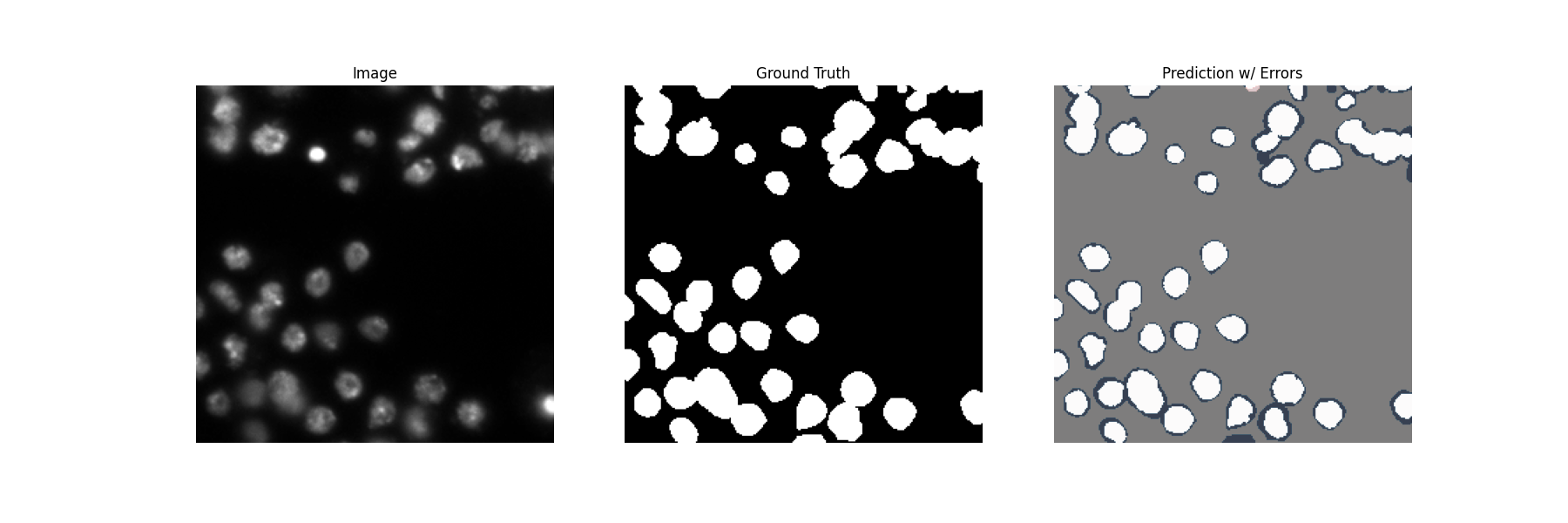
DeepNucNet microscopy image alongside the ground-truth nuclei segmentation mask and model prediction with errors
Deep learning · Biomedical imaging

DeepNucNet: Nuclei detection & segmentation

Deep learning for nuclei detection and segmentation in microscopy images, developed for a graduate biomedical AI course.

About this project

Completed in March 2025 for the graduate course Biomedical Applications of Artificial Intelligence, DeepNucNet explores nuclei detection and segmentation using the 2018 Data Science Bowl microscopy dataset. The project includes image and mask preprocessing, data augmentation, training and hyperparameter tuning across U-Net model variants, and evaluation using Dice, precision, recall, and Hausdorff metrics. The cover shows a test image, its ground-truth segmentation mask, and the model prediction with errors highlighted.

Explore on GitHub
Investigating Sex Differences In Genetic Interactions across Human Cancers
Cancer genomics

Investigating Sex Differences In Genetic Interactions across Human Cancers

Exploring sex differences in synthetic lethal interactions across 12 human cancer types using RNA sequencing data.

About this project

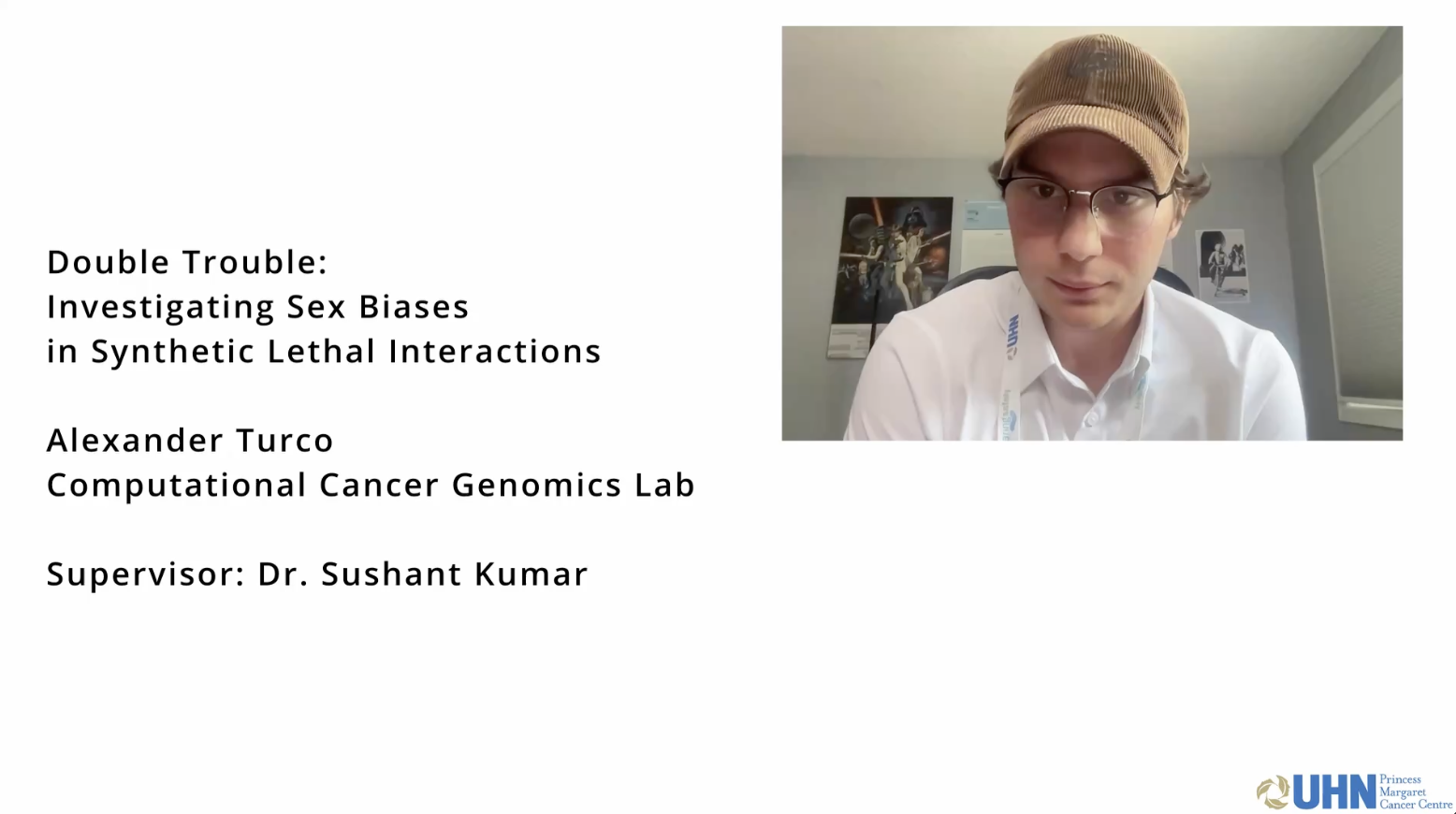
As a research assistant in the Computational Cancer Genomics lab at Princess Margaret Centre, I worked under the supervision of Dr. Sushant Kumar. My research project focused on exploring sex differences in synthetic lethal interactions in 12 types of human cancers. I analyzed RNA sequence data from healthy and tumor tissue samples, in order to find genes differentially expressed in tumor tissue. Using these genes found to be differentially expressed, I attempted to find synthetic lethal pairs that differed between males and females. The linked video provides a short overview of my research.

Watch the overview
Undergraduate Thesis: Evolution of LCRs
Computational biology

Undergraduate Thesis: Evolution of LCRs

A C++ implementation of approximate Bayesian computation to estimate mutation and indel rates in evolving low-complexity regions.

About this project

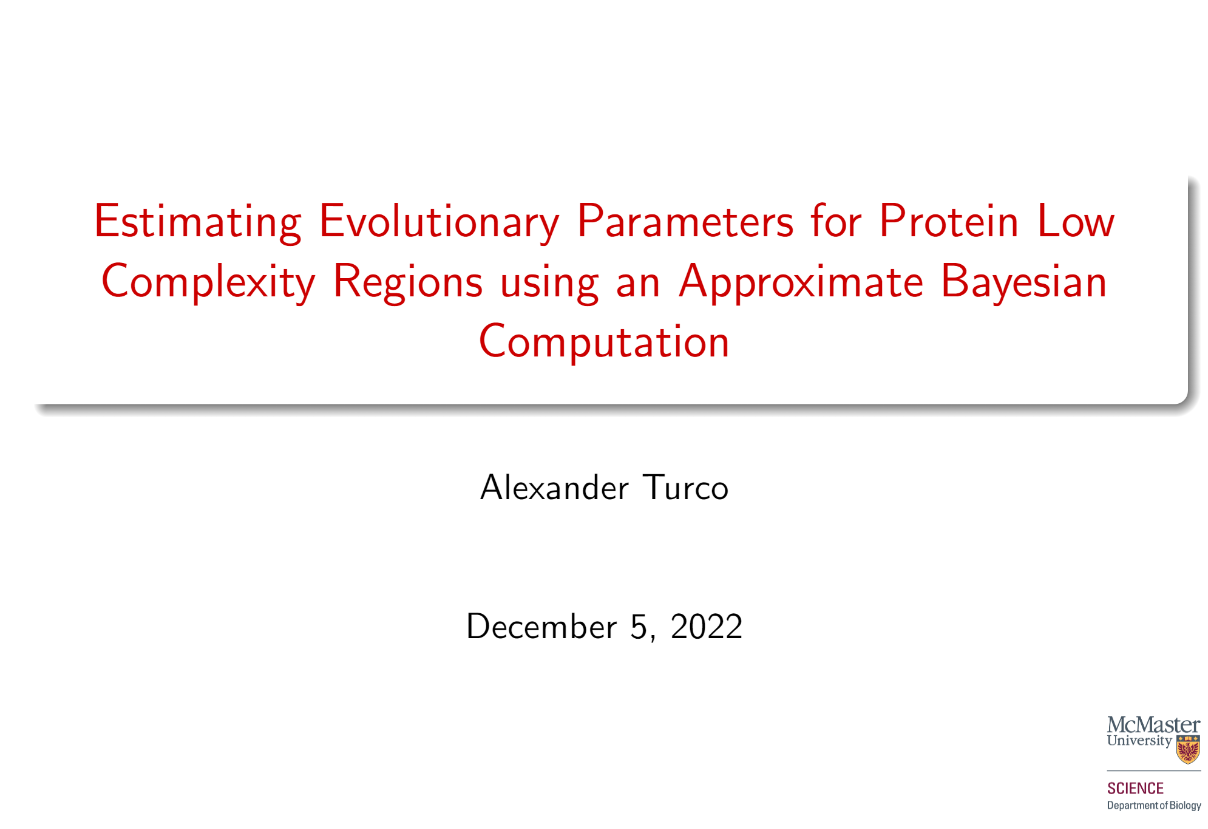
As a fourth year undergraduate thesis student, I worked in a bioinformatics lab under the supervision of Dr. Brian Golding. For my undergraduate thesis, I explored how to estimate evolutionary parameters such as mutation rates and indel rates using an analysis/approach called an approximate bayesian computation (ABC). This analysis is rooted in bayesian statistics and it essentially translates into an algorithm. Using C++, I developed my own version of this algorithm to estimate a small number of parameters that can describe how Low Complexity Regions evolve. Read the thesis for the full analysis.

Read the thesis
Cells at War: An immersive biological game
Science & education

Cells at War: An immersive biological game

An immersive biology game developed with students and faculty at McMaster University and George Brown College to bring science into the classroom.

About this project

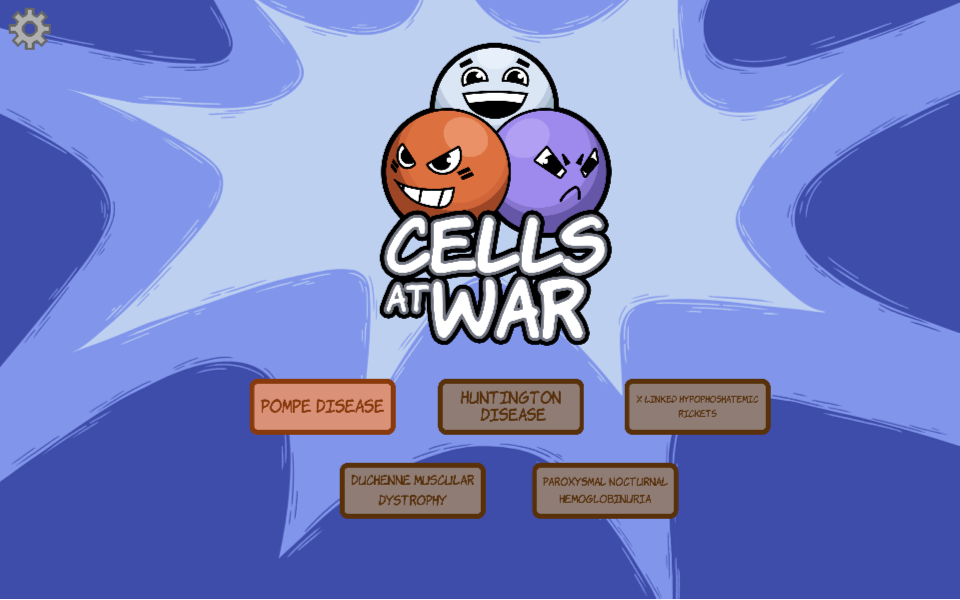
I worked with a group of biology undergraduate students in collaboration with a supervising professor towards the development of an innovative and immersive biological video game. The end goal of the project was to pilot and implement the game in some first year science classrooms at McMaster University. I had the opportunity to present a working build of the game to first year biology students and conduct a survey to collect data regarding how the students felt about the game. This was a cooperative project together with students and faculty from the Game Design program at George Brown College, as well as the Biology department at McMaster University. This project has been extended due to more funding and development is continuing, now with a larger team of collaborators across the globe. We hope to eventually create a hub of science-based games that students can play in place of reading a textbook or examining static images.

Play the demo
Investigating Harmful Algal Blooms in Ontario
Metagenomics

Investigating Harmful Algal Blooms in Ontario

Metagenomic analysis of Ontario bloom sites, exploring bacterial communities and the organisms that contribute to harmful algal blooms.

About this project

As a research assistant at McMaster University, I spent the summer exploring harmful algal bloom sites across Ontario. Under the supervision of Dr. Brian Golding and Dr. Herb Schellhorn, I conducted a metagenomic analysis of bloom and non-bloom sites using samples provided by the Ministry of Environment and Climate change. I examined the bacterial composition of samples, trimmed, merged, and assembled genomes of organisms known to contribute to the toxicity of blooms, and identified the potential for multiple strains of the same species to be present at a single bloom site. I created a poster to summarize some of the findings from this research. This poster was displayed at the MacWater (McMaster water group) challenges in water monitoring conference held on October 14 in Hamilton. Professors, graduate students, and those who work in industry could view and inquire about the poster and the work being done.

View research poster